When clutter has become a health hazard
Hoarding cleanup with biohazards
A crowded home becomes a biohazard job when there is animal or human waste, used needles, spoiled food or rodents in it. That part needs protective gear and proper disposal.
Answered 24 hours a day, 7 days a week
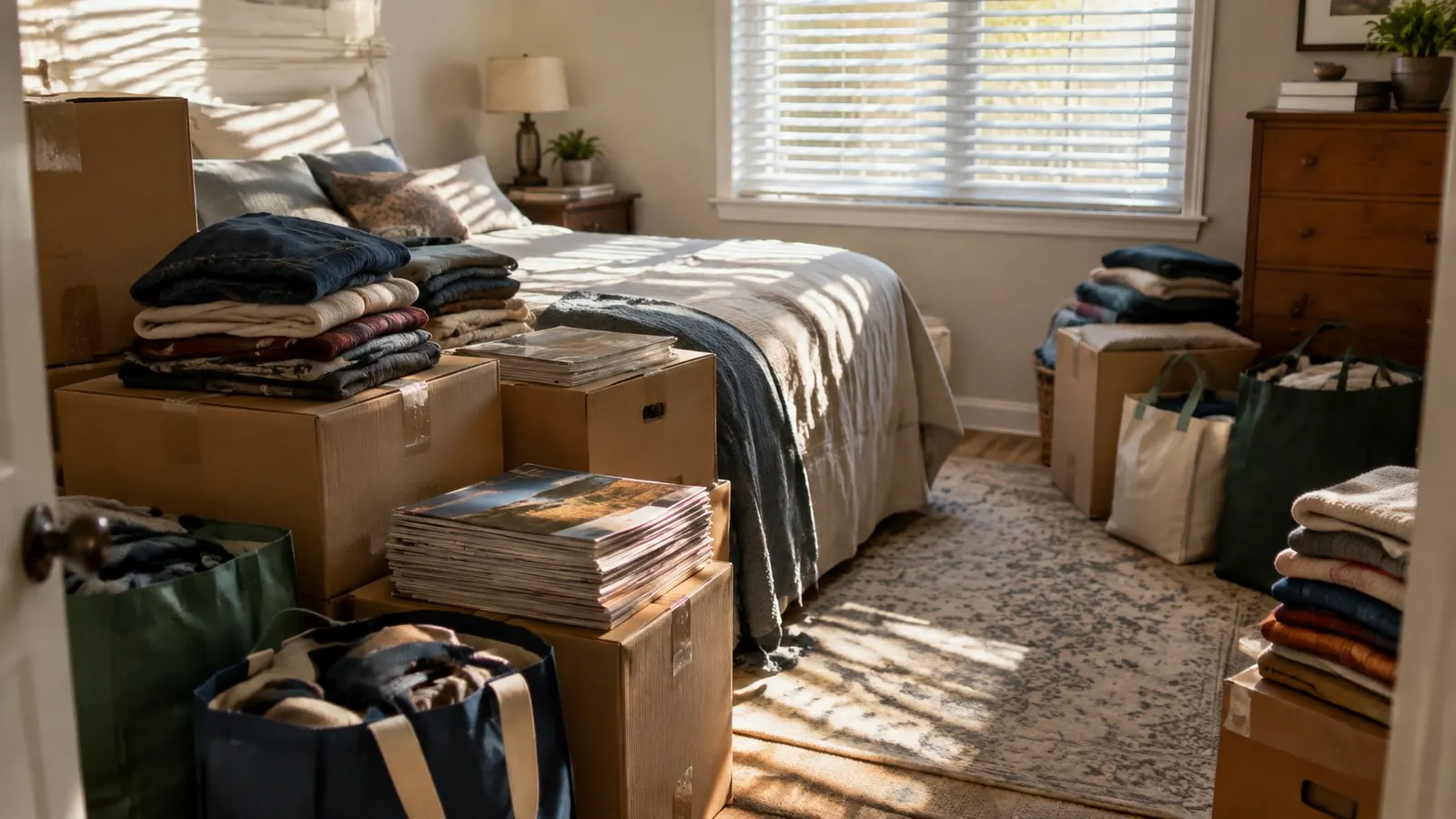
The biohazard part of a hoarding cleanup
Not every cluttered home is a biohazard. It becomes one when there is pet or human waste, used syringes, rotting food or signs of rodents under the clutter.
Rodent droppings are a real concern. The CDC says not to sweep or vacuum droppings, and to soak them with a bleach solution or EPA-registered disinfectant first, because sweeping can put particles into the air.
A cleanup company works through the home in protective gear, keeps what the family wants to keep, and disposes of contaminated material properly.
How the work is usually staged
Walk-through
With the family or owner, to agree on what is kept.
Hazards first
Sharps, waste and spoiled food are found and removed.
Sorting
Items are sorted into keep, clean and discard.
Cleaning
Surfaces are cleaned and disinfected room by room.
Final check
Odor and remaining hazards are dealt with.
Cost
What moves the price
There is no flat rate for this kind of work. These are the things that change it.
How far it spread
Fluids soak through carpet into pad and subfloor and run under baseboards. The deeper it went, the more material is cut out and replaced.
How long it sat
Time changes the job. Odor sets into drywall and framing, and dried material is harder to lift than fresh.
The surfaces
Tile and sealed concrete clean up. Carpet, upholstery, mattresses and bare wood often have to go.
Waste handling
Contaminated material is bagged, boxed and hauled as medical-type waste, and the volume adds up.
Odor work
Some rooms need sealing, air scrubbing or ozone or hydroxyl treatment over several days.
Access and rebuild
Stairs, crawlspaces and vehicles take longer. Rebuilding after demolition is usually priced separately.
Questions people ask
Will the company throw everything away?
No, not if you agree a plan first. Ask them to set aside papers, photos, valuables and anything named in advance.
Is hoarding cleanup covered by insurance?
Usually not as a gradual condition, but sudden damage inside the home may be a separate matter. Ask your insurer.
Who will actually do the cleaning?
An independent cleanup company that serves your ZIP code. This line connects you; it does not send workers. Ask the company about its training, its waste hauling and its insurance before you agree to anything.
How is the price worked out?
Usually after someone has looked at the space, in person or from photos. Ask for a written scope that lists what will be removed, how it will be disinfected and how the waste leaves the property.
Other situations
- Crime scene and trauma cleanupAfter a homicide, an assault or a bad injury, once police hand the place back.
- Unattended death cleanupWhen someone passed away alone and was not found for some time.
- Cleanup after a suicideDiscreet, careful cleanup so no one in the family has to face it.
- Blood and body fluid cleanupBlood or other body fluids on carpet, walls or furniture after an injury or illness.
- Disinfection after illness or droppingsRooms to clean and disinfect after an illness or a rodent problem.
- Vehicle biohazard cleanupBlood or body fluids in the seats, carpet or trunk of a vehicle.
Whenever you are ready
You can call now, or after the hardest days are behind you
There is no deadline on a phone call. Until then, keep the door to the affected room shut, keep children and pets out, and leave the cleaning to people with protective gear.
Speak with a cleanup company
The call reaches an independent company that works in your ZIP code. Describe the room, ask how they would handle it and how they set the price. Nothing is decided until you agree to it.
Call (720) 712-9117Answered 24 hours a day, 7 days a week
Calls may be recorded by the call-routing service. See the referral disclosure and privacy policy.